研究用量子コントロールシステムの概要
設計から論文発表まで、研究をトータルサポート
量子コンピューティングの研究者は、ラボの立ち上げやサンプルの初期設計から、測定精度の極限を追求するプロセスの確立、さらには最先端の論文発表にいたるまで、量子コンピューティングの発展には絶え間ないブレイクスルーが求められます。お探しの用途やプロダクトに応じた最適なソリューションは、以下の以アプリケーションページおよび製品ページにて詳しく紹介しています。
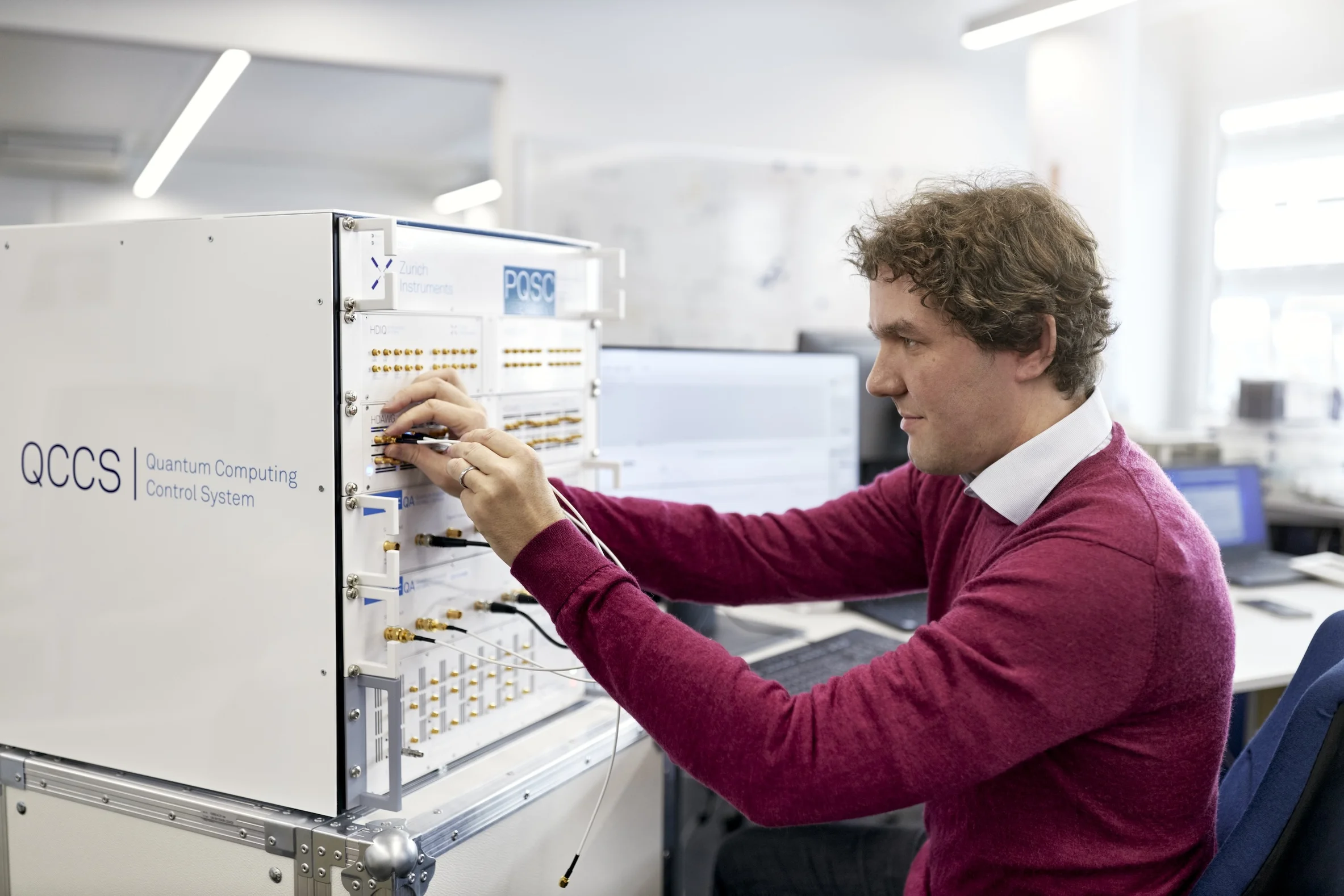
量子テクノロジ開発で研究者が直面する複合的課題
ハードウェアの課題
量子ビットそのものの不安定さに加え、制御ラインに混入するノイズや周囲の環境雑音など、実験は常に予期せぬトラブルと隣り合わせです。さらに、装置のメンテナンスによるダウンタイムも、研究のペースを乱す大きな原因になります。
ソフトウェアの複雑さ
次々と新しいソフトウェアツールやパッケージが登場するため、独自のシステム(量子スタック)をゼロから構築するだけでも気が遠くなるような作業です。何より厄介なのは、数年前に研究室を去ったポスドクが残した古いコードのデバッグ。仕様書もないまま不具合を探す作業は、研究者の貴重な時間を奪っていきます。
メンバーの交代
博士課程の学生が卒業したり、ポスドクが新しいステップへ進んだりと、研究グループのメンバーは常に流動的です。その結果、チーム内に知識の空白が生まれやすく、残されたメンバーは、物理の理論から複雑な測定器の操作、膨大なプログラムの全容まで、覚えるべきことの多さに圧倒されてしまいます。
論文発表と資金獲得のプレッシャー
研究室に何ヶ月もこもり、ようやく得られた成果を論文として発表するまでには、査読をクリアするための長いプロセスがあります。やっとの思いで掲載が決まったとしても、息を吐く間もなく、次のプロジェクトを動かすための研究資金獲得サイクルが再び始まります。
制御エレクトロニクスのノイズを排除する

量子実験の世界では、ほんのわずかなノイズが測定の質を大きく左右します。ノイズ特性が十分でない機器を使っていると、量子ビットのゲートフィデリティや感度が低下してしまい、本来得られるはずの成果が低下することもあります。弊社のハードウェアは、まさにこうした量子実験で真価を発揮するように設計されており、低出力ノイズ、強力な同期性能、そしてギャップレスの波形再生能力により、ポテンシャルを最大限に引き出し、常に安定した高品質なデータを提供します。さらに、Rohde & Schwarz社との強力なパートナーシップのもと、幅広い計測ソリューションをご用意しています。ラボ内で発生する予測可能な信号はもちろん、原因不明の予期せぬノイズや信号の診断まで、お客様の実験環境をトータルにサポートします。
コードの複雑さを解消
実験を制御するためのプログラムを自前で開発し、それを維持していくのは、本来の実験にかけるべき時間を奪い、研究が遅れる原因にもなります。量子制御ソフトウェア「LabOne Q」は、プログラムのコーディングを可能な限り効率化するように設計されています。
直感的で扱いやすいオープンソースのシステムであり、OpenQASMをはじめとする他の主要なソフトウェアパッケージともスムーズに連携します。豊富なコード例や、すぐに実行できる実験のテンプレートが用意されているため、プログラム開発がシンプルになるだけでなく、実験の実行時間そのものも短縮できます。
もしLabOne Qへの移行をご検討中であれば、弊社の専門スタッフが立ち上げをお手伝いします。実験のダウンタイムを最小限に抑え、スムーズな運用開始をサポートします。
弊社の専門知識を研究の原動力に

研究グループのメンバーの交代により、それまでに蓄積された知識やノウハウが失われてしまうことは少なくありません。また、新しいメンバーの育成には多くの時間と労力を要します。
弊社のアプリケーションサイエンティストは、全員が量子テクノロジーの博士号を持ち、実際の研究室での豊富な実験経験を備えています。私たちは単に質問に答えるだけのサポートにとどまらず、お客様のチームと密に連携し、実験のセットアップ、最適化、そしてトラブルシューティングを積極的にバックアップします。これにより、基礎的な運用の再学習に時間を取られることなく、研究成果の創出に集中できる環境を整えます。
インパクトの高い研究成果に向けて
量子テクノロジー研究の熾烈な競争において、資金獲得サイクルの長さや厳しい締め切り期限を考慮すると、実績のないソリューションを選択することは大きなリスクを伴います。今日どのような機器を選ぶかが、その後の何年にもわたる研究の行方を左右するからです。
Zurich Instrumentsには、世界をリードする研究者たちの目標を支えてきた長年の実績があります。それは、量子テクノロジー分野における数多くの著名な高インパクト論文の掲載実績が証明しています。
私たちが追求し続ける最高峰の計測性能は、お客様の研究の確固たる基盤となり、未来の革新的な成果創出に貢献します。

量子テクノロジー研究向け製品


Creating the Nodes of the Quantum Internet: A Journey Through Quantum Memories and Entanglement Distribution

“My research focuses on quantum memories based on crystals doped with rare-earth ions. These crystals … build an elementary node of a quantum network, allowing us to distribute entanglement over large distances and forming the basis of a future quantum internet.”
A Simple Path to Fast Graphene Qubit Readout: QPC Sensor in a Resonant Circuit
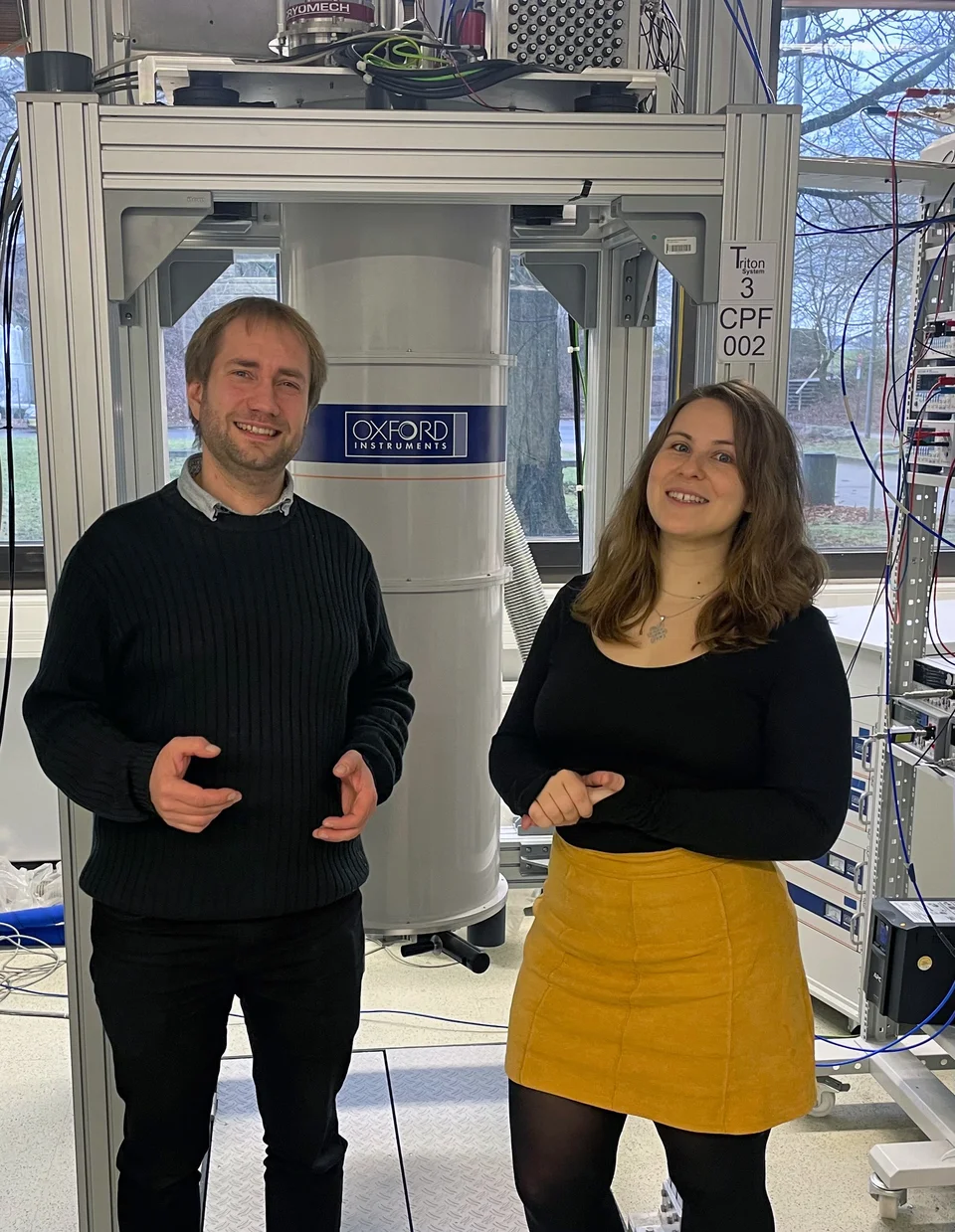
“The Zurich Instruments 600 MHz UHFLI Lock-in Amplifier plays a central role in this setup […]. It helps significantly reduce the complexity of the experimental setup compared to home-built analog demodulation circuits.”
From Bulky Optics to On-Chip Integration: A Portable Diamond-NV Magnetic Field Camera
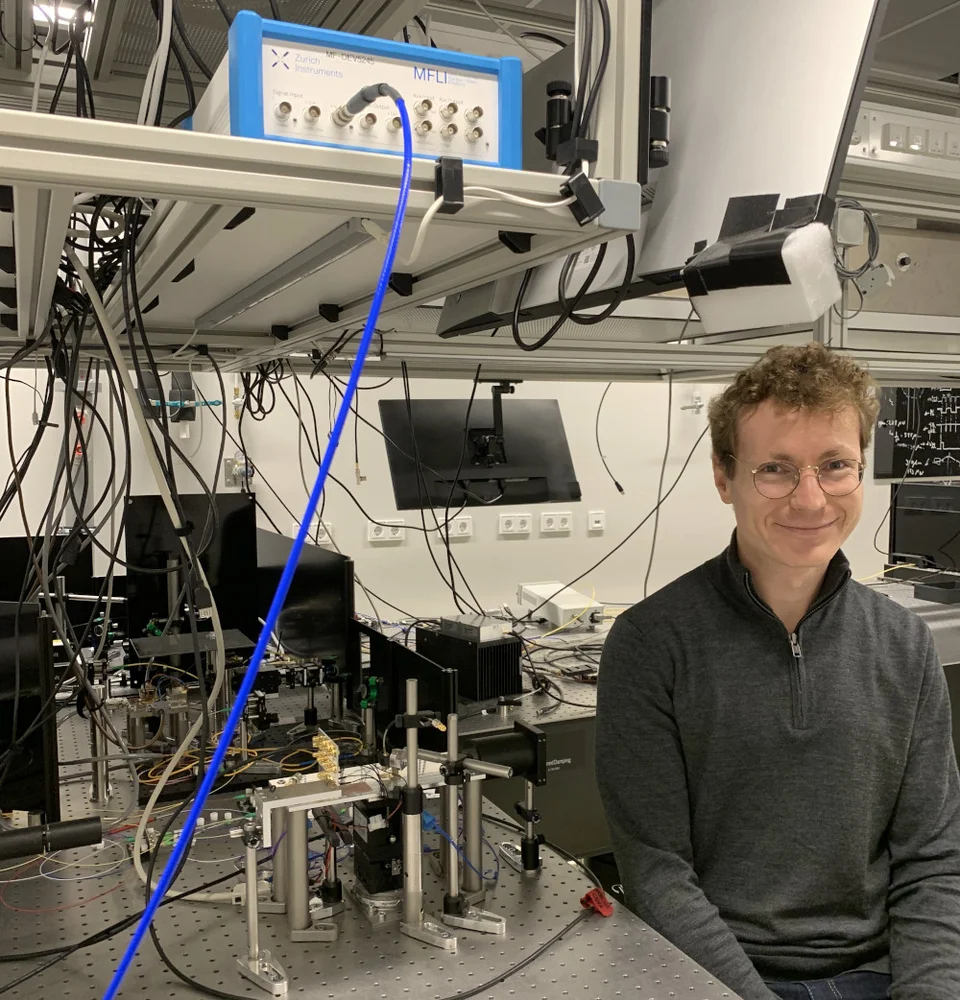
“...our camera resolves the magnetic field gradient [...]. These results establish that robust, compact, chip‑integrated diamond‑NV sensors can perform magnetic field imaging without moving components or extensive microscope optics.”
From Molecular Spins to Fault-Tolerant Qudits: Dr. Junjie Liu’s Path to Scalable Quantum Memory

“My research focuses on [...] quantum spin systems at the (sub)nanometre scale [...] and their applications in spintronics. I aim to explore the interplay between spin and electrical/optical degrees of freedom [...] to develop novel quantum technologies.”
Interview: Kevin Morse
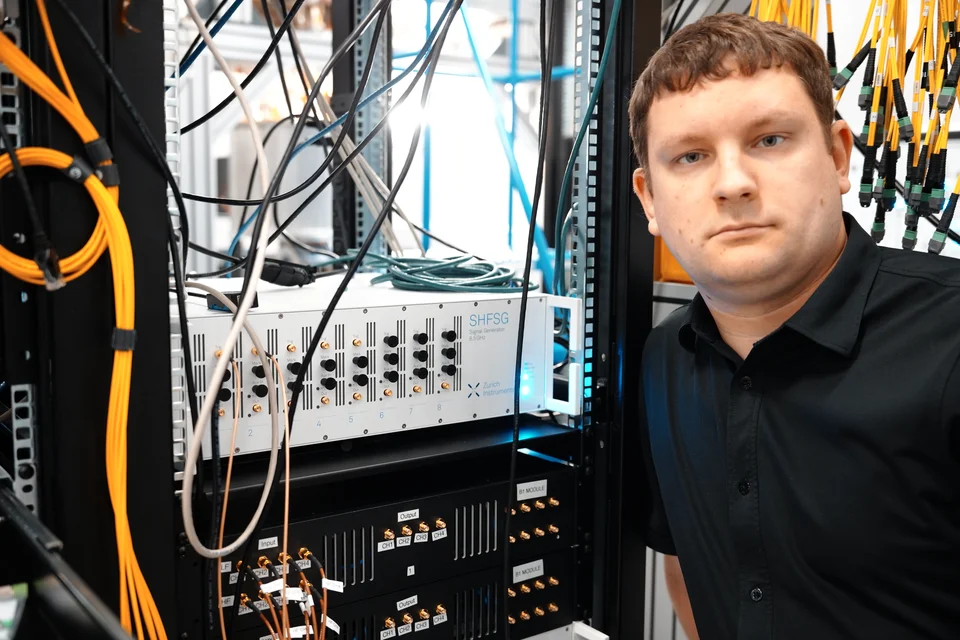
“We are building large-scale, fault-tolerant, distributed quantum computers. Our architecture is unique; based on the T centre in silicon. T centre qubits in silicon leverage the advantages of both spin qubits and telecom photons.”
Interview: John Nichol

“Spin qubits have two important advantages related to the goals of quantum computing - and the potential that these bring to the field excites me about working on the topic.”
Interview: Stefan Filipp
“For our research roadmap, it's important to work with a company that thinks along the same directions as we do, namely – what is needed for high-fidelity and scalable devices?”
Interview: Prof. Yonuk Chong

“The Zurich Instruments QCCS made it possible to set up and start the measurement of qubits very quickly. In particular, the generation of precise high-frequency signals using double-superheterodyne frequency conversion significantly reduced the calibration burden in the qubit readout and control measurement setup.”
Interview: Mr. Nathan Lacroix and Dr. Sebastian Krinner
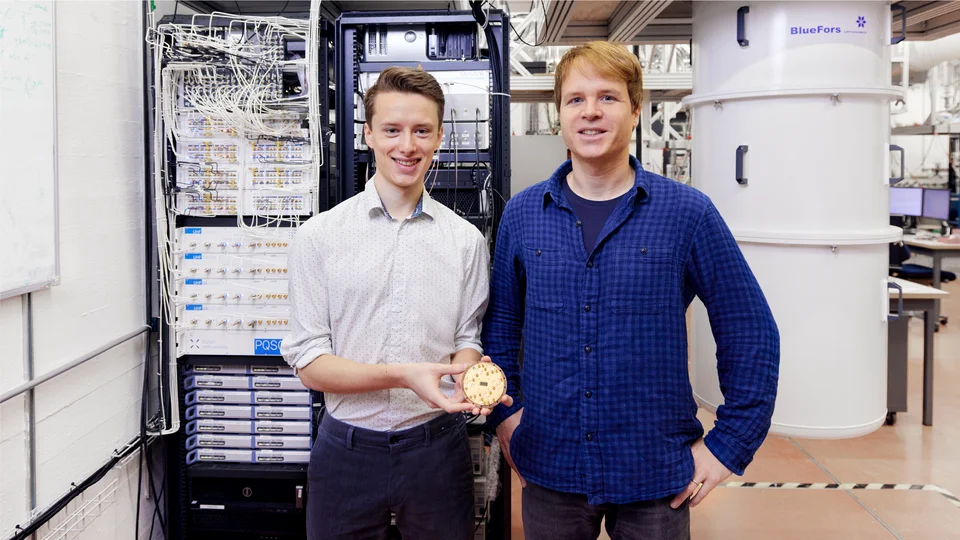
“We use Zurich Instruments' equipment for low-noise and high-resolution control signal generation and for readout with FPGA-based fast signal processing. If we had to build control electronics on a large scale with similar characteristics, that would distract us from our core research activities.”