Search
Contattateci

Pagina iniziale

Splash Screen Webinar ZQCS


ZQCS Launch:
Advancing the Long-Lived
Logical Qubit
Join our webinar on May 28th to meet
the new ZQCS Quantum Control System.

Register now
Splash Screen: Quantum Control System


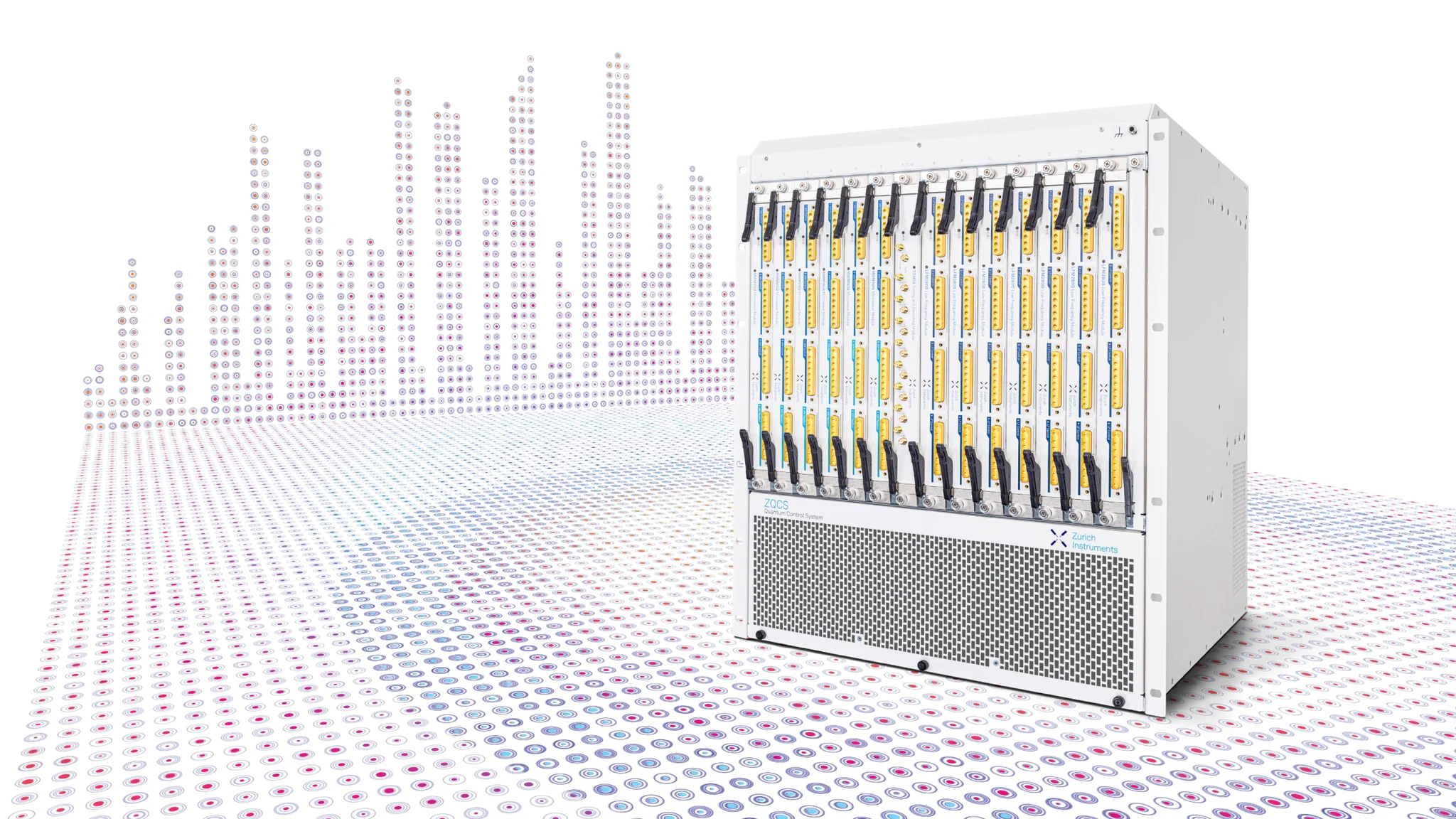
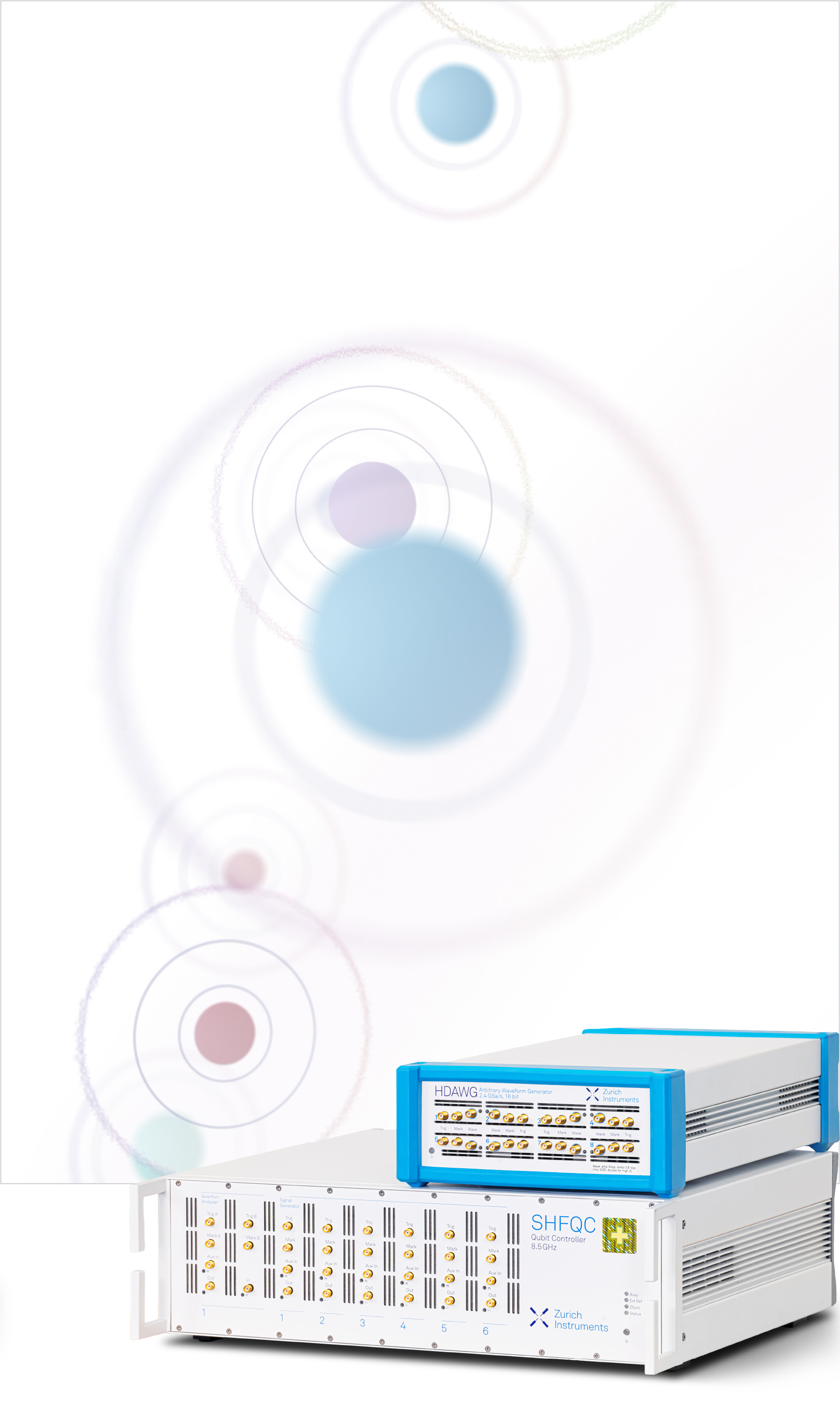
Your Tool to Master the Long-Lived Logical Qubit
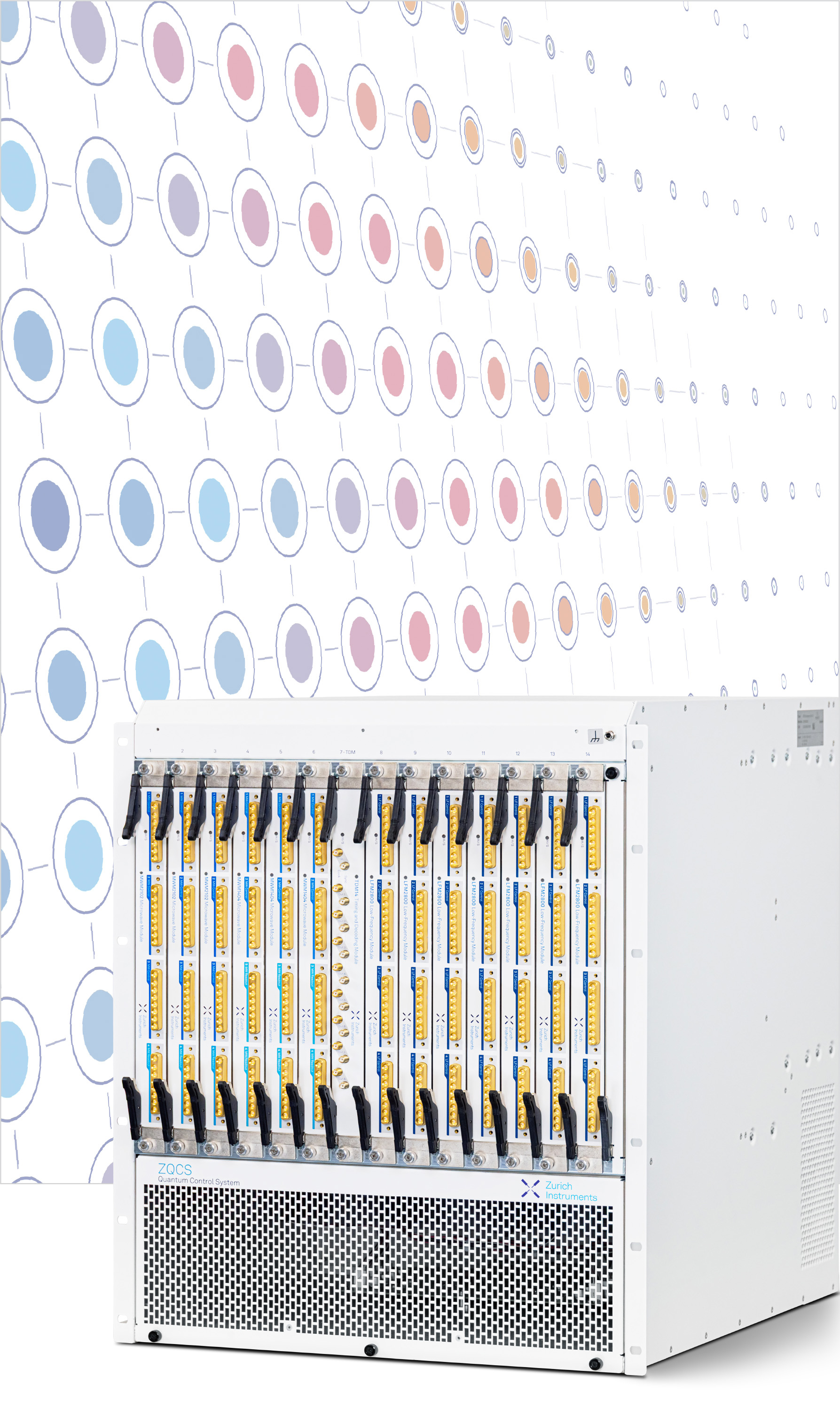
The New ZQCS
Quantum Control System

Find out more
Splash Screen VHFLI


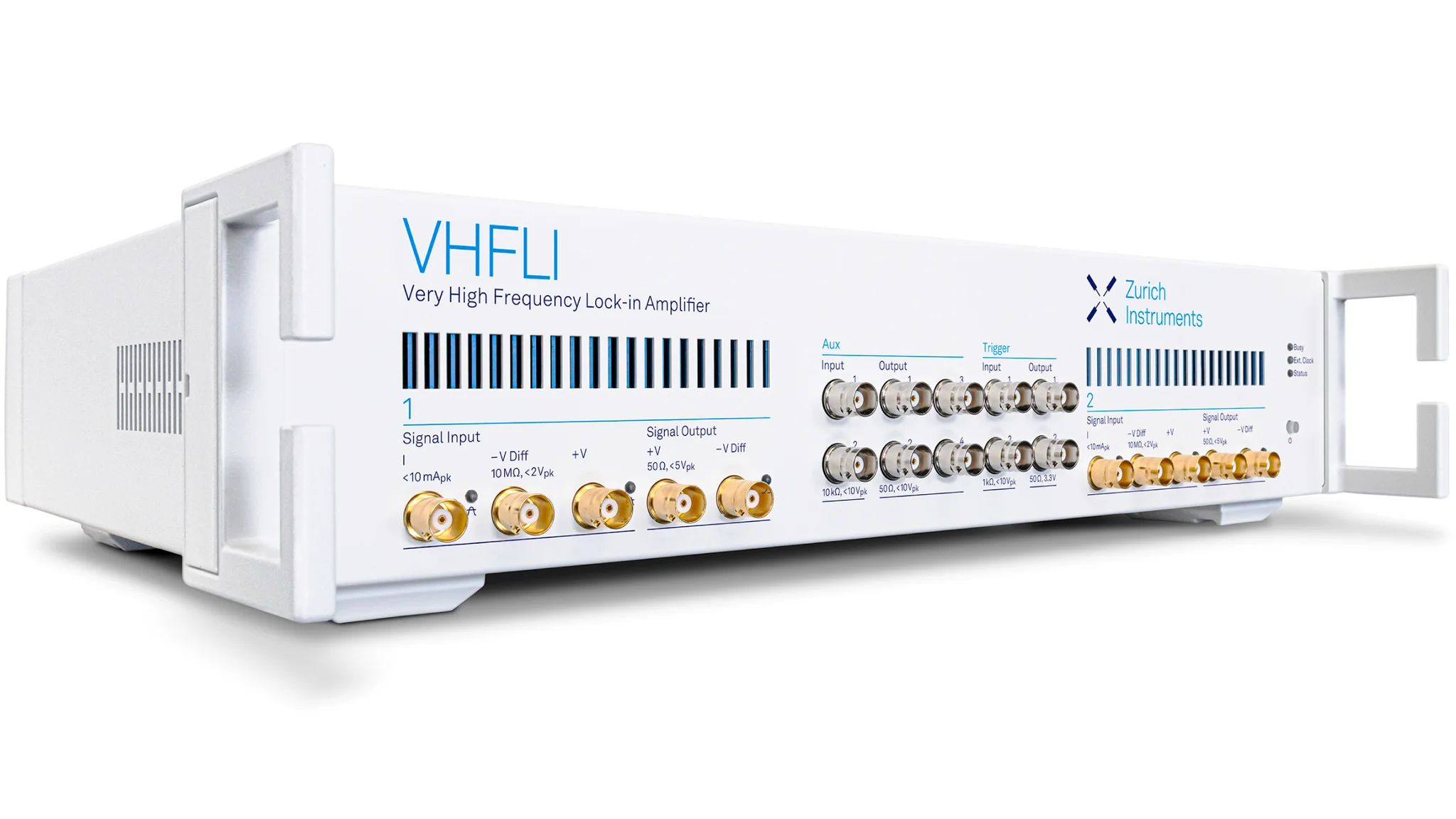
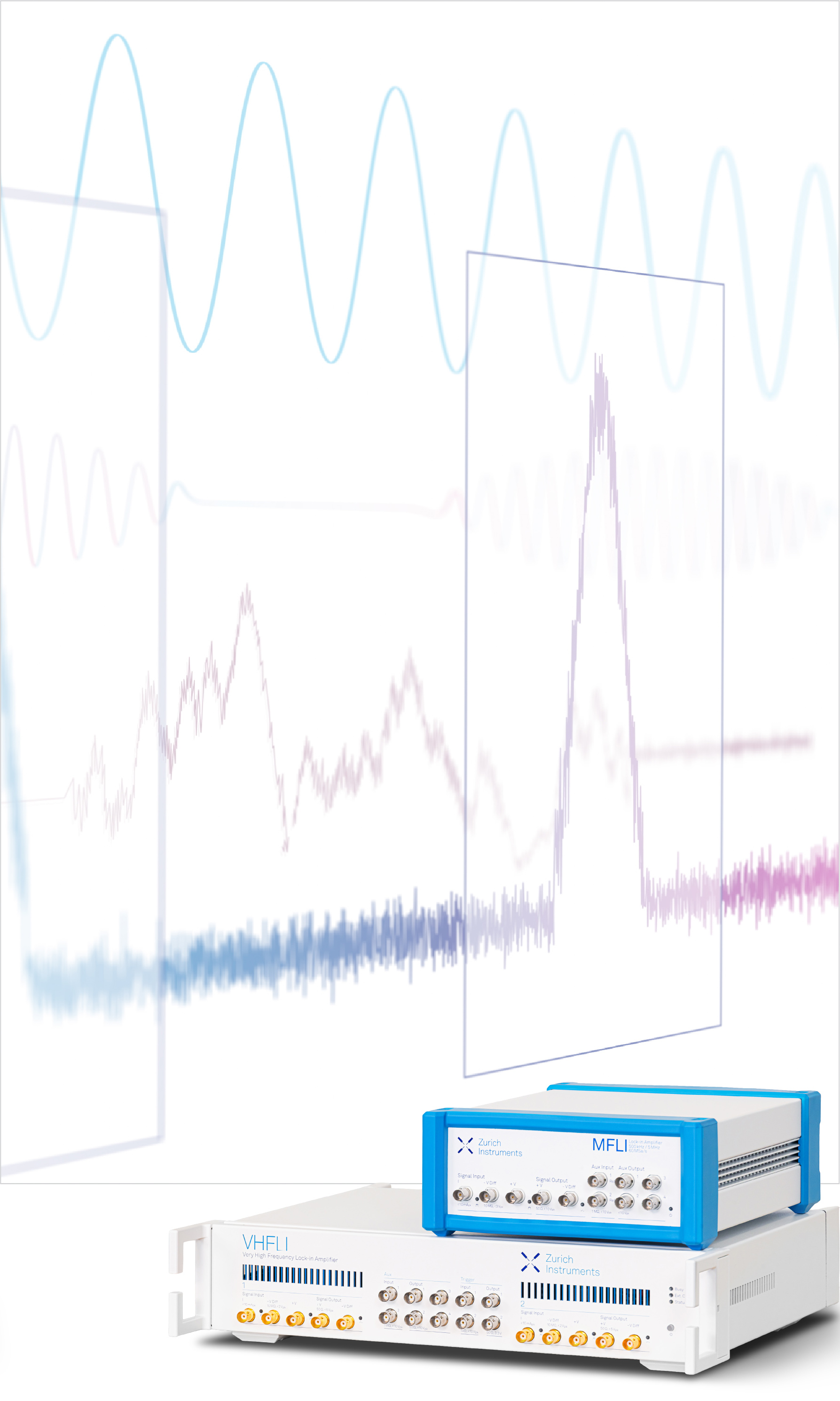
Freedom to Innovate
Discover the VHFLI 200 MHz Lock-in Amplifier. The new multipurpose instrument.

Learn more
Nvidia and Zurich Instruments Collaboration


Zurich Instruments Showcases Collaboration with NVIDIA at GTC D.C.

Read more
empower innovation


Inside the Pulse
Explore our company culture.

Watch the story
Splash Screen SurgeonQ Project


Technology Leaders
Join Forces
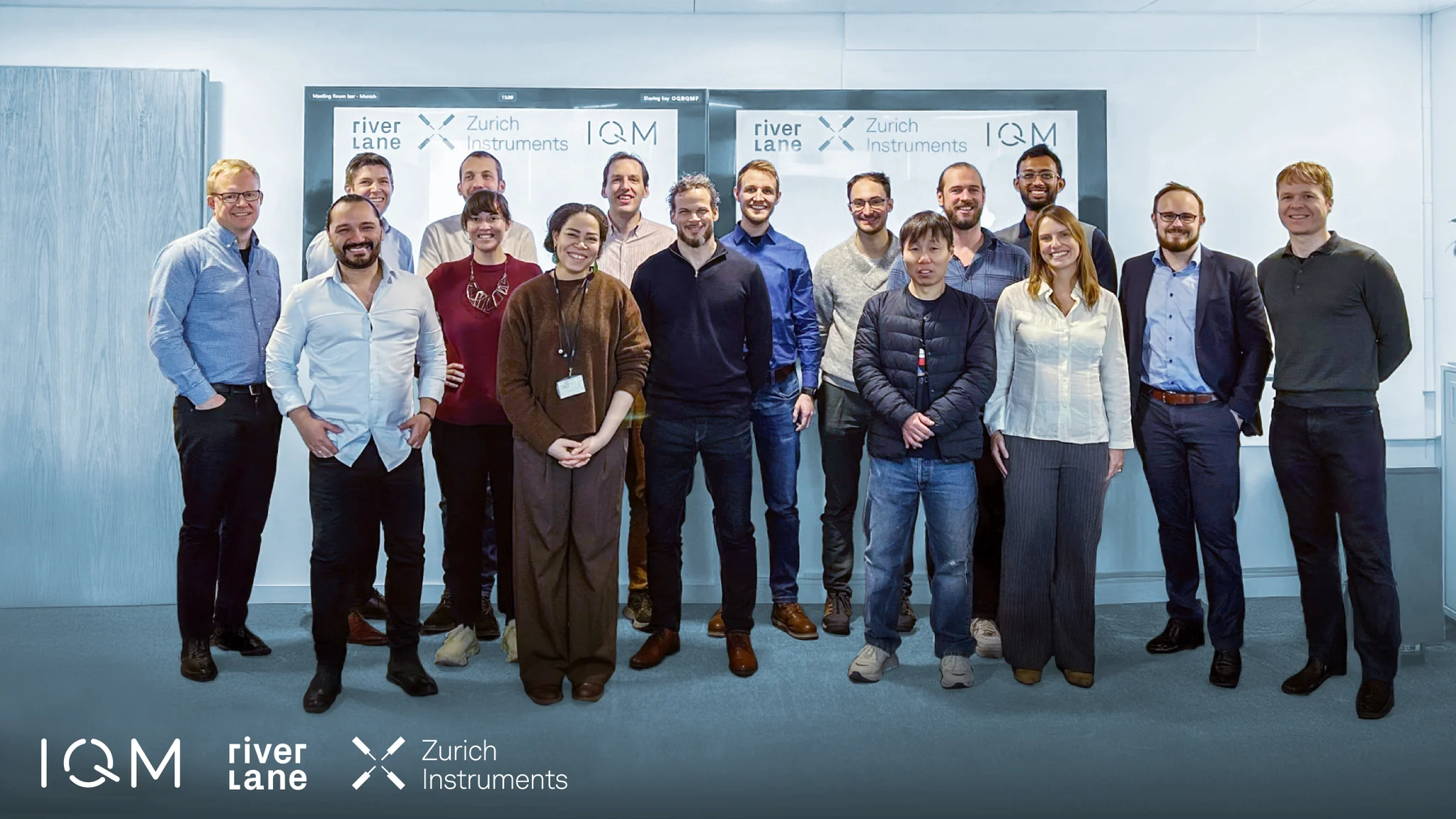
IQM, Riverlane, and Zurich Instruments
collaborate to create the world’s first quantum
error correction platform.

Find out more


Quantum Control for Scaling

Quantum Control for Scaling

Quantum Control for Research

Quantum Control for Research

Lock-in Amplifiers

Lock-in Amplifiers

Intervista al cliente

Martino Poggio

Modernizing equipment for education and research is going to be a top priority as it will help us do more research and projects with the innovative equipment of Zurich Instruments.

Prof. Martino Poggio - Director of the Swiss Nanoscience Institute and Head of the Poggio Lab at the University of Basel.

Intervista al cliente

Dr. Daniel Jirovec

The UHFLI is probably the most used instrument in our lab. Almost every setup has one because it's just so versatile and so quick to use.

Dr. Daniel Jirovec - Postdoctoral researcher at Institute of Science and Technology Austria (ISTA).

Intervista al cliente

Beckett Colson and Dr. Anna Michel

A lock-in amplifier offers a convenient way to measure impedance in a continuous flow of water. We can use the impedance change to tell the difference between biological particles - which we hope to see in abundance - and microplastics.

Beckett Colson and Dr. Anna Michel - Chemical Sensors Lab at the Woods Hole Oceanographic Institution (WHOI).

Intervista al cliente

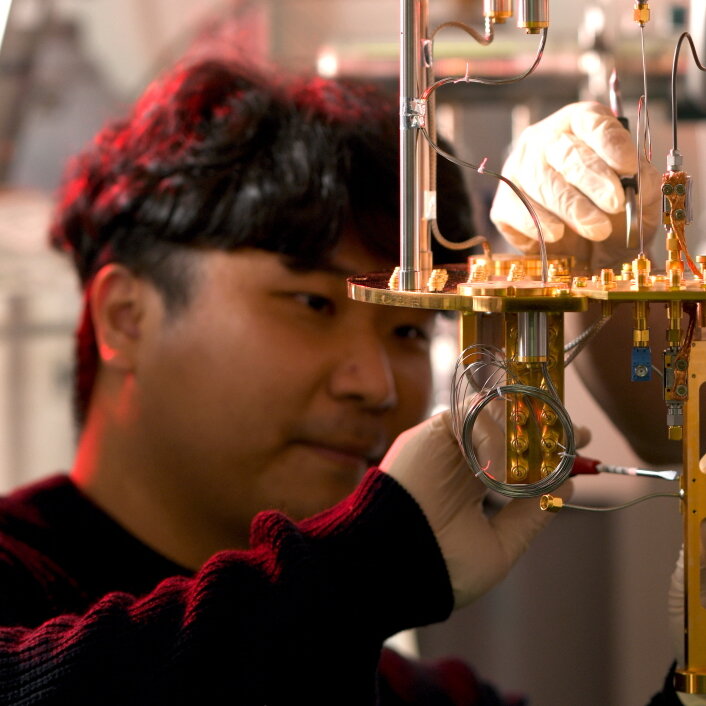
Prof. Yonuk Chong

The Zurich Instruments QCCS made it possible to set up and start the measurement of qubits very quickly. In particular, the generation of precise high-frequency signals using double-superheterodyne frequency conversion significantly reduced the calibration burden in the qubit readout and control measurement setup.

Prof. Yonuk Chong - Professor at Sungkyunkwan University (SKKU) and Director of the Quantum Information Research Support Center (QCenter).

Intervista al cliente

Andre Maier and Marcus Scheele

We implemented a characterization method based on asynchronous optical sampling, where the UHFLI Lock-in Amplifier from Zurich Instruments plays an important role. With this technique, we can unravel the intrinsic temporal response of the developed photodetectors in the range of pico- to nanoseconds.

Dr. Andre Maier and Prof. Marcus Scheele - Physical Chemistry of Nanocrystals group at the University of Tübingen, Germany.

Intervista al cliente

Nathan Lacroix and Sebastian Krinner

We use Zurich Instruments' equipment for low-noise and high-resolution control signal generation and for readout with FPGA-based fast signal processing. If we had to build control electronics on a large scale with similar characteristics, that would distract us from our core research activities.

Mr. Nathan Lacroix and Dr. Sebastian Krinner - PhD student and senior research assistant in the Quantum Device Lab at ETH Zurich.

Intervista al cliente

Andreas Pauly

Along with its lock-in amplifiers and impedance analyzers, Zurich Instruments offers brilliant solutions for controlling and measuring quantum processors and is a strong node in the network of actors leading this field.

Andreas Pauly - Executive Vice President of the Test and Measurement Division at Rohde & Schwarz

Applicazioni

Tecnologie quantistiche

Misure di impedenza

Ottica e fotonica

Microscopia a scansione

Nanotecnologie e scienza dei materiali

Sensori

Questo campo di ricerca presenta sempre sfide nuove per coloro che lavorano alla costruzione di un computer quantistico utile o di una rete quantistica sicura. Se lavorate con qubit superconduttori o di spin, la nostra offerta di prodotti hardware e software vi permette di controllare e dare forma al vostro sistema man mano che le dimensioni e la complessità aumentano.

La caratterizzazione dell'impedenza di nuovi materiali o dispositivi richiede uno strumento in grado di misurare l'impedenza in modo preciso, rapido e su un'ampia gamma di frequenze. Offriamo capacità di misura che coprono quattro aree principali: caratterizzazione di sensori, dielettrici, caratterizzazione di semiconduttori e bioimpedenza.

Le tecniche di misura in ottica e fotonica offrono potenti strategie per studiare i sistemi fisici su diverse scale di lunghezza e di tempo. Gli amplificatori lock-in, gli anelli agganciati in fase (PLL), i mediatori boxcar e le ricche funzionalità dei nostri strumenti sono progettati per assicurare configurazioni sperimentali semplici, risparmiare tempo e realizzare acquisizioni di dati di alta qualità.

Poniamo un'attenzione particolare alle sfide della strumentazione per la microscopia a scansione, e vi aiutiamo a eseguire analisi dati nel dominio del tempo e della frequenza per catturare e controllare complesse interazioni punta-campione con una gamma di modalità e di possibilità di integrazione che si adattano alle vostre esigenze.

I nostri amplificatori lock-in e le loro ampie gamme di opzioni permettono di studiare le proprietà dei materiali su scala nanometrica grazie ad acquisizioni di dati veloci e a basso rumore e a funzionalità che includono misure statiche e dinamiche simultanee.

Per caratterizzare e controllare sensori che rispondono ad ambienti mutevoli, forniamo funzionalità per misure nel dominio del tempo e della frequenza e per il controllo in retroazione all'interno di un singolo strumento.

Quali sono i vostri requisiti di applicazione?

ContattateciRichiedete una dimostrazione
loading...